August 19, 2026
Is It Too Early to Start Talking With a Realtor?
By Rebekah Clayton · Realtor® / Broker, Coldwell Banker Tomlinson
Most people don't call a Realtor when they first start thinking about moving. They open an app instead.
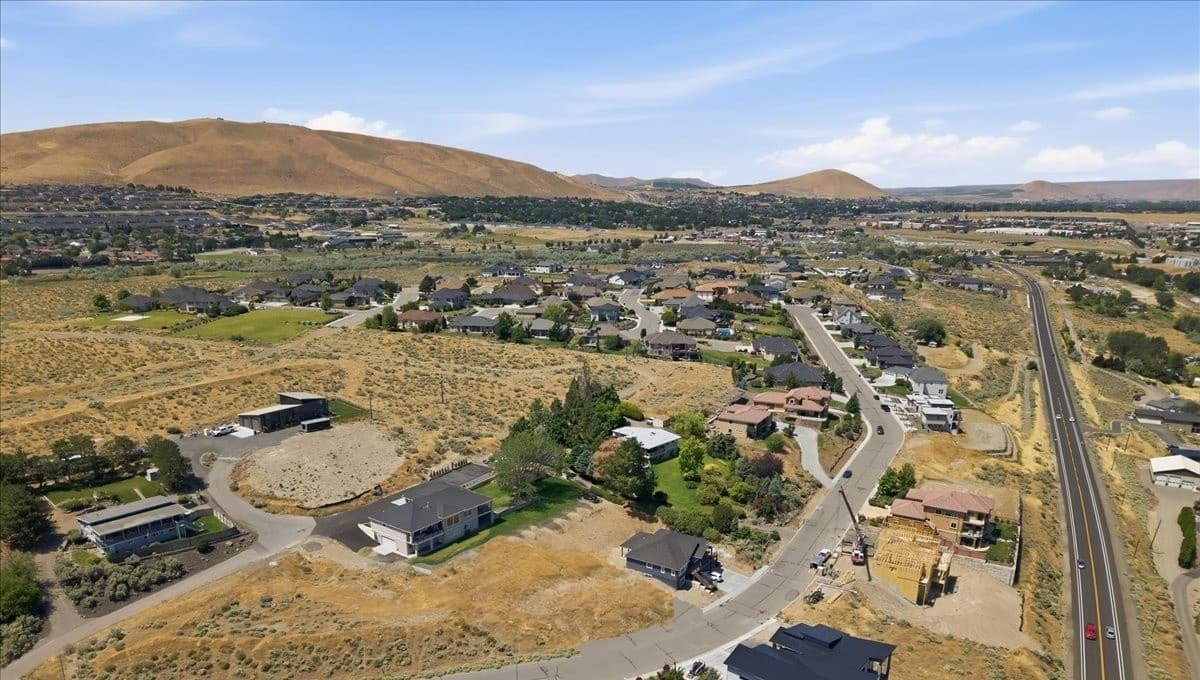
They scroll listings after dinner. They save a few homes in Southridge, out towards Badger Mountain, or in one of the newer neighborhoods in West Richland. They check what the house down the street sold for. They figure they will reach out to a Realtor once things are more definite ~ once the job situation settles, once the kids are through the school year, once there is an actual decision on the table.
That instinct makes sense. Calling a Realtor feels like a step you take when you're ready, not while you're still deciding whether you want to move in the first place.
But looking isn't something that happens before the process starts. It’s the beginning of the process. And if you're wondering whether it's too soon to talk with a Realtor about buying or selling in the Tri-Cities, the honest answer is that it's almost never too early. What changes about your timeline isn't whether we should talk, it's what we talk about.
What a First Conversation Actually is
A first conversation is information, not commitment. It's a phone call, a text thread, a coffee, or a quick walk through your home. You ask questions, I answer them, and you decide what to do with the answers.
Here is what it's not:
- It isn't signing anything
- It isn't agreeing to list your home
- It isn't agreeing to work with me
- It isn't a sales pitch
- It isn't a promise to move on any particular schedule
You are allowed to talk with a Realtor, take the information home, and then do nothing for a year. That happens quite often, I’m always happy to assist! My job early on is to help you understand your options clearly. Whether you act on them now, later, or never is your decision to make.
It's better to ask your questions before things get stressful.
If you're About Two Years Out
This is the stage most people assume is too early, but it's actually the time where talking with a Realtor can have the largest impact.
Two years often gives enough time to fix things that cannot be done quickly. If you're buying that may mean fixing credit, growing savings, or continuous employment. If you're selling it may mean deciding which improvements are worth the money and which aren't.
At this stage, a useful conversation covers:
- What your home might realistically be worth today, and what could move that number
- Which repairs or updates typically pay off in our market, and which usually don't
- What a lender would need to see from you, and how far away you are from it
- How much you would need for a down payment and closing costs in your likely price range
- Whether the neighborhoods you're drawn to actually fit the life you're describing
That last point matters more here than people expect. Kennewick, Pasco, Richland, West Richland, Benton City, Burbank, Finley, and Prosser each feel different day-to-day, and two years is plenty of time to visit them on an ordinary Saturday instead of deciding from a map.
If you're About Six Months Out
Six months is where planning turns into preparation.
If you're buying, this is the window to talk with a lender and get a real pre-approval rather than an online estimate. It's also when your search criteria should get more specific, and when it helps to start watching how homes in your range actually sell. If you want a more in depth walkthrough of that part, I covered it in Where Should I Start If I Want to Buy a Home in the Tri-Cities?
If you're selling, six months is when we should walk your home together. I can tell you what a buyer is likely to notice first, what an inspector tends to flag in homes of your era, and which projects are worth scheduling before contractor availability tightens up.
A few things worth putting on the calendar at this point:
- A lender conversation, even if you're not certain of the timing
- A walkthrough of your home with honest, specific notes
- Any repairs that need a contractor or a permit
- A plan for what happens between selling and buying, if you're doing both
- A rough target month, so everything else can work backward from it
Six months out is also when seasonal timing becomes worth discussing. Our spring and early summer market tends to bring the most buyer activity. Listing decisions made in the fall often depend on how quickly you want to move rather than on price alone. Whether that helps or hurts you depends entirely on your situation, which is exactly the kind of thing worth talking through in advance.
If you're Thirty to Sixty Days Out
At this point, we aren't planning anymore. We are executing.
This is the shortest and most focused version of the conversation. Buyers need their current pre-approval, their documents gathered, and their must-haves decided. Sellers need photos scheduled, the home prepped, and a clear idea of what happens the day an offer does arrive.
If you're relocating for work, this stage often arrives quicker than expected. Hiring cycles at Hanford, PNNL, Kadlec, and the local school districts can compress a move to a matter of weeks. If that’s your situation, reaching out early isn't being premature. It's the only way to have any options at all.
If you Need to Sell Before you Buy
This is where early conversations really matter, and it's the most common situation I see in the Tri-Cities.
Buying and selling at the same time isn't one decision. It's a sequence, and the order depends on your equity, financing, risk tolerance, and how much disruption your household can absorb. There are several ways to structure it, and each one has a real trade-off.
Sorting that out takes a conversation, not a form. It's much easier to do six months ahead of time than in the week you find a home you love.
What it Costs to Ask
Nothing! There is no fee for an early conversation, a home walkthrough, or a value estimate.
I understand the hesitation. Nobody wants to be added to a list, called every month, or made to feel like they owe someone. So here is how I work: you tell me your timeline, and I match my follow-up to it. If you say you're two years out, I’m not going to check in weekly. If you would rather I not follow up at all, that’s okay too. Just say the word!
A Simple Way to Start
You don't need a prepared list of questions. Most first conversations begin with something as simple as:
- "We are thinking about moving sometime next year. Where should we start?"
- "What do you think our home is worth right now?"
- "Should we fix this before we sell, or leave it?"
- "We might be relocating here. What should we know about the area?"
- "We aren't sure we can afford to move yet. Can you help us find out?"
Any of those is a fine place to begin.
Final Thought
The buyers and sellers who feel calmest during a move are usually the ones who started asking questions long before they needed answers. Not because they were more organized, but because they gave themselves time.
If you're thinking about buying or selling in Kennewick, Pasco, Richland, West Richland, or anywhere in the surrounding Tri-Cities, I am happy to talk whenever you're ready! Even if "ready" is a couple of years away.
Rebekah Clayton
Realtor® / Broker, Coldwell Banker Tomlinson
Call or text: 509-416-6796
Email: rebekah@cbt-tc.com
Thinking about a move in the Tri-Cities?
I’d love to help you think it through — no pressure, just a straight read on your options.